Experts reveal the 'sweet spot' number of investment properties to own

Is there such a thing as owning too many investment properties?
According to the experts, there certainly is, and the perfect number might surprise you.
Quality over quantity
Just imagine you have 50 investment properties. That means 50 tenants, 50 roofs and 100 bathrooms to manage. It should never be about quantity. It should always be about quality.
Investors should be looking at buying four to five quality investments where you can create extra value. That's, for instance, an old house on a good block that you can renovate, then later build a granny flat behind, and 10 years on, subdivide the land and build three houses. You want good growth and the ability to create income.
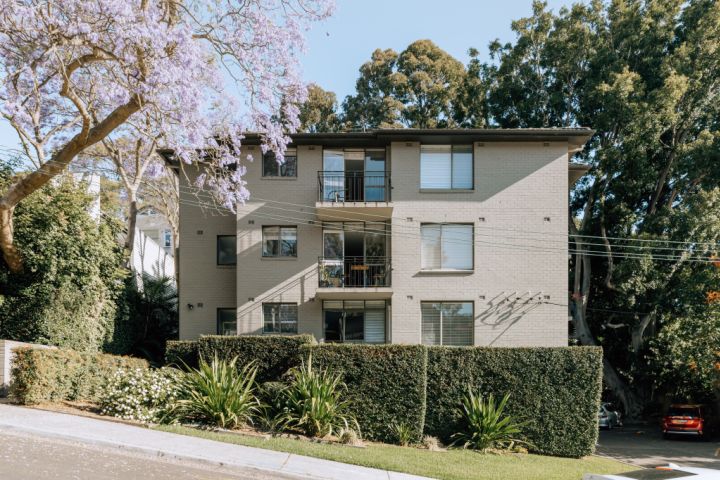
Quality takes precedence over quality when it comes to property investment. Photo: Vaida Savickaite
In my view, it's pointless owning more than five residential properties. The purpose should be to build enough equity to invest in other, perhaps higher-yielding assets, such as commercial property.
The sweet spot is four
This is a philosophy many in the industry agree with. Arjun Paliwal, chief executive and head of research at InvestorKit, conducted a deep dive into the question of the optimal number of investment properties by reviewing over 1,100 of their clients' portfolios, focusing on couples aged 30 to 44 with a goal of $100,000 to $150,000 in passive income in retirement. He came up with a similarly low number: 3.54.

Four is the sweet spot for investors looking to own multiple properties. Photo: Vaida Savickaite
"So, if you round it up to four, that's the sweet spot," Paliwal says. "These were also for properties with an average purchase price of around $700,000, which also shows that people don't need to have multiple multimillion-dollar properties. Just three, either affordable or expensive properties, can achieve their goals.
"The real problem is that, on Australian Tax Office data, 94% of Australian property investors own, personally, one to two properties, which isn't enough to really make sure of their futures. The only reason other investors might choose to have, say, six, is if they want to reach their goals sooner and retire earlier."

There are many myths in the residential investment industry, including the idea that more is better. Photo: Nathan Darma
One of the greatest fallacies in the industry
Wise investors, however, tend to consolidate their wealth-building residential property portfolios in their retirement years and transition to commercial property for income.
Investment specialist and author Scott O'Neill, the chief executive of Rethink Investing, says the very idea that investors should aim to buy and own as many investment properties as they can is probably "one of the greatest fallacies in the industry."
He said it's a myth sometimes spread by a few buyers' agents who use their own massive residential property portfolios, bought through their company, as a calling card to clients they'd love to collect numerous commissions from.

Mindless accumulation of properties may not serve your goals in the long-run. Photo: Nathan Darma
"Otherwise, owning a lot of investment properties is more of an ego play, like a game of Monopoly, to people," O'Neill says. "They accumulate properties like accumulating toys. The number of properties is irrelevant; it's what you're buying that's important.
"And why would you buy so many when you're getting a 4% gross yield, when you'd get a net yield of 7% on commercial assets, and should be diversifying your portfolio? It's simply not good to accumulate properties for the sake of it."
Succesful property investing is not about owning more properties, but about owning a small number of high-quality, high-performing assets that build equity and income, with many experts suggesting around four well-chose properties as the optimal portfolio size.
Disclaimer: The information contained in this article is general in nature and does not take into account your personal objectives, financial situation or needs. Therefore, you should consider whether the information is appropriate to your circumstances before acting on it, and where appropriate, seek professional advice from a finance professional.